What does “Made in Japan” mean?
On the current site and product materials, Tenshoku Power is stated as Made in Japan. Put simply, this is a product-origin statement. Origin can be part of a purchase decision, but it is not automatically proof that every product from that country has the same quality or performance.
What should a buyer check?
- Origin information on the packaging.
- The manufacturer, distributor or relevant party if displayed.
- Batch, date or relevant traceability information.
- Ingredient list and usage directions.
- The condition of the seal and packaging when the product is received.
Made in Japan is not a government endorsement
A country-of-origin statement should be distinguished from government approval or endorsement. The same applies to registration documents: registration does not necessarily mean a government body endorses or guarantees product effectiveness.
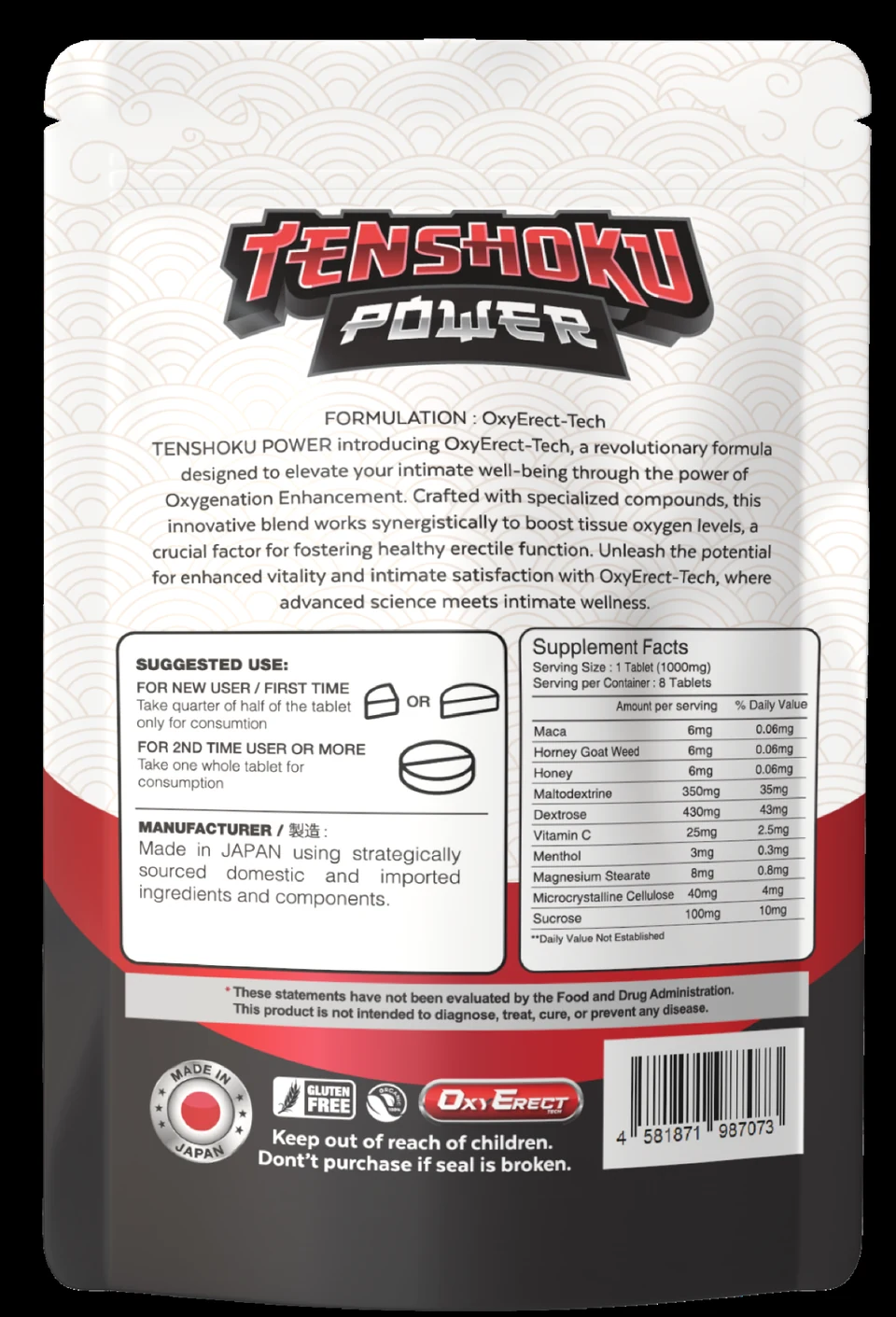
Why do we show the back of the pack?
Front packaging builds the brand; the back of the pack gives users information they can inspect. That is why the Education Hub uses label visuals as a reference — users should be able to see what is written on the product, not just a marketing poster.
Common questions
Does Made in Japan mean the product is approved by the Japanese government?
Not necessarily. An origin statement and regulatory approval are two different things.
What should be checked on the pack?
Check the origin, ingredients, usage directions, seal condition and available traceability information.
Why is the back of the pack important?
It gives users information that can be checked, not just marketing visuals.
This educational information is general and does not replace professional health advice, diagnosis or treatment.